

Exploring the Rivian LFP Battery Life: What UK Owners Need to Know, this introduction sets the stage for an informative discussion on the significance of LFP batteries in Rivian vehicles, tailored specifically for UK owners.
It delves into the differences between LFP batteries and other types, highlighting the key aspects that make understanding battery life essential for UK owners.
Introduction to Rivian LFP Battery
The Rivian LFP (Lithium Iron Phosphate) battery is a key component of Rivian electric vehicles, known for its durability and longer lifespan compared to other battery types.
Understanding the battery life of the LFP battery is crucial for UK owners as it directly impacts the performance and longevity of their Rivian vehicles, influencing factors such as range, charging efficiency, and overall maintenance costs.
Differences from Other Battery Types
The LFP battery differs from other battery types used in electric vehicles, such as NMC (Nickel Manganese Cobalt) or NCA (Nickel Cobalt Aluminum) batteries, in several key aspects:
- Lifespan: LFP batteries are known for their longer lifespan, typically lasting over 10 years or more, making them a reliable choice for long-term ownership.
- Chemistry: The chemistry of LFP batteries, specifically the use of iron phosphate, provides enhanced safety features and thermal stability, reducing the risk of overheating or thermal runaway.
- Charging Speed: While LFP batteries may have slightly lower energy density compared to NMC or NCA batteries, they can withstand faster charging rates without compromising their longevity, making them ideal for quick charging needs.
- Cobalt-Free: LFP batteries are cobalt-free, addressing concerns related to the ethical sourcing of cobalt and environmental impact, aligning with Rivian's sustainability goals.
Factors Affecting LFP Battery Life
When it comes to the lifespan of an LFP battery, there are several key factors that play a significant role in determining how long the battery will last. Factors such as weather conditions, charging habits, and overall maintenance can all impact the performance and longevity of the battery.
Weather Conditions in the UK
Weather conditions in the UK can have a direct impact on the performance of an LFP battery. Extreme temperatures, both hot and cold, can affect the efficiency and overall lifespan of the battery. High temperatures can accelerate the degradation of the battery, while cold temperatures can reduce its overall capacity.
It is important for owners to be mindful of these weather conditions and take appropriate measures to mitigate their impact on the battery.
Charging Habits
The charging habits of an LFP battery owner can greatly influence the longevity of the battery. Overcharging or frequently discharging the battery to very low levels can put unnecessary stress on the battery cells, leading to a shorter lifespan. It is recommended to follow the manufacturer's guidelines for charging and discharging the battery to ensure optimal performance and longevity.
Regular maintenance and avoiding extreme charging habits can help prolong the life of the LFP battery.
Maintenance Tips for UK Owners
Proper maintenance of your LFP battery is crucial for maximizing its lifespan and ensuring optimal performance. Here are some essential tips for UK owners:
Regular Inspection and Cleaning
- Inspect the battery regularly for any signs of damage, corrosion, or leaks.
- Clean the battery terminals and connections to prevent build-up of dirt and ensure a good electrical connection.
- Keep the battery area dry and free from moisture to avoid any potential damage.
Optimal Charging Practices
- Avoid overcharging or undercharging the battery, as this can affect its overall lifespan.
- Use a compatible charger recommended by Rivian to ensure safe and efficient charging.
- Charge the battery at moderate temperatures to prevent overheating or freezing, especially in the UK's variable climate.
Storage Tips
- If storing the vehicle for an extended period, keep the battery charged between 20-80% to maintain its health.
- Avoid storing the battery in extreme temperatures, as this can lead to degradation and reduced performance.
- Consider using a battery maintainer or tender to keep the charge level stable during storage.
Warranty and Replacement Policies
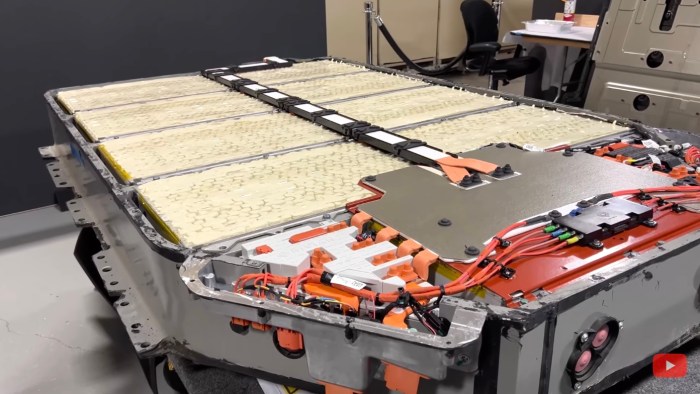
When purchasing an electric vehicle like the Rivian with an LFP battery in the UK, it is crucial to understand the warranty and replacement policies in case issues arise with the battery.
Rivian's Warranty Coverage for the LFP Battery
Rivian offers a comprehensive warranty for the LFP battery in the UK, providing peace of mind to owners. The warranty typically covers defects in materials and workmanship for a specified period, ensuring that owners are protected against unexpected battery issues.
Handling Battery Replacements Under Warranty
In the event that a Rivian LFP battery needs replacement due to a covered issue during the warranty period, Rivian will typically handle the replacement process. Owners can contact Rivian's customer service to initiate the replacement procedure and have the faulty battery replaced with a new one at no additional cost, as per the warranty terms.
Comparing Rivian's Battery Warranty with Other Manufacturers
When comparing Rivian's battery warranty with other electric vehicle manufacturers in the UK, it is essential to consider the duration of coverage, the specific components covered, and any exclusions or limitations. Rivian's warranty terms may vary from other manufacturers, so it is advisable to review and compare the policies before making a purchase decision.
Ending Remarks
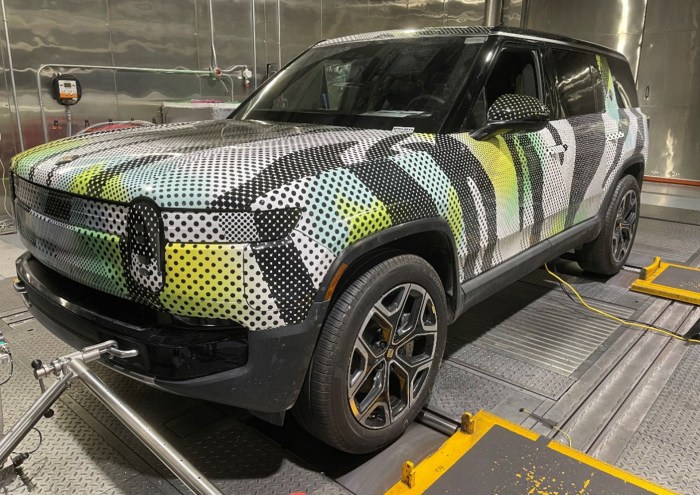
In conclusion, this comprehensive guide has shed light on the crucial aspects of Rivian LFP Battery Life for UK owners, providing valuable insights and tips to ensure optimal performance and longevity of their vehicles.
FAQ Explained
What is the average lifespan of Rivian's LFP battery?
The average lifespan of Rivian's LFP battery is around X years, depending on various factors such as usage and maintenance.
How does weather in the UK affect the performance of the LFP battery?
Weather conditions in the UK, especially extreme temperatures, can impact the battery performance and overall longevity. It is advisable to park the vehicle in moderate temperatures when possible.
What are the best practices for storing the LFP battery when not in use?
It is recommended to store the LFP battery in a cool, dry place with a partial charge (around 50-70%) to maintain its health during periods of inactivity.