

Exploring the realm of Discount Car Insurance Quotes for Young Drivers in the UK opens up a world of possibilities and savings. From factors influencing insurance costs to strategies for obtaining discounts, this guide delves deep into the intricacies of getting the best deals for young drivers.
Factors influencing car insurance quotes for young drivers in the UK
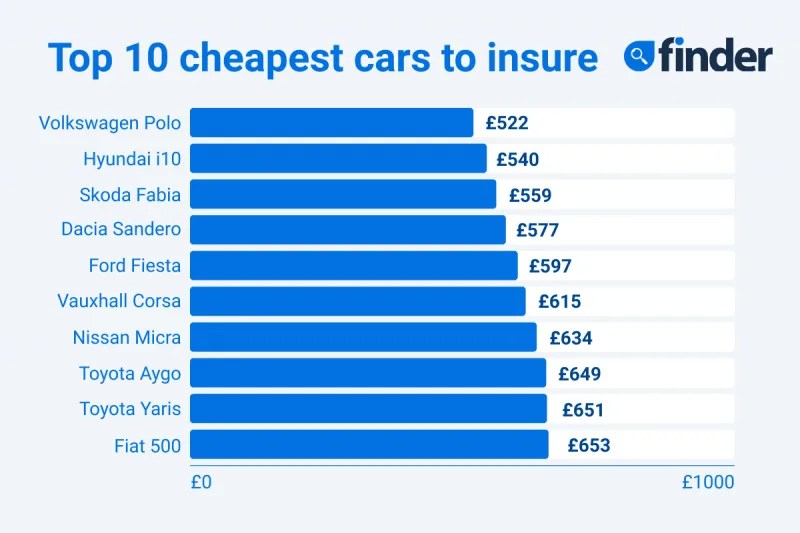
Young drivers in the UK often face higher car insurance quotes due to several key factors. These factors include age, driving experience, car type, and location, all of which play a significant role in determining insurance costs for this demographic.
Age
Young age is a major factor in determining car insurance quotes for young drivers in the UK. Statistically, younger drivers are considered to be riskier and more prone to accidents, leading insurance companies to charge higher premiums to offset this perceived risk.
Driving Experience
The amount of driving experience a young driver has also influences insurance costs. Newly licensed drivers are often charged higher premiums compared to those with more years of driving experience, as they are considered less experienced and more likely to be involved in accidents.
Car Type
The type of car driven by a young driver can significantly impact insurance quotes. High-performance or luxury vehicles are typically associated with higher insurance costs due to the increased risk of theft, vandalism, and expensive repairs. On the other hand, older or less powerful cars may result in lower insurance premiums.
Location
The location where a young driver resides and parks their car can also affect insurance prices. Urban areas with higher rates of accidents, theft, and vandalism may result in higher premiums compared to rural areas with lower risk factors.Insurance companies use various pricing models to assess the risk associated with insuring young drivers.
Some companies may offer usage-based insurance, where premiums are based on actual driving behavior and patterns. Others may use telematics devices to monitor driving habits and adjust premiums accordingly.Overall, the combination of age, driving experience, car type, and location all play a crucial role in determining car insurance quotes for young drivers in the UK.
Strategies for obtaining discounted car insurance quotes for young drivers in the UK
Young drivers in the UK often face high insurance premiums due to their lack of driving experience. However, there are several strategies they can use to lower their insurance costs and obtain discounted quotes.Taking advanced driving courses:
Benefits of taking advanced driving courses for discounted rates
- Advanced driving courses can improve young drivers' skills and knowledge on the road, making them less risky to insure.
- Insurance providers may offer discounts to drivers who have completed recognized advanced driving courses.
- By showcasing their commitment to safe driving through these courses, young drivers can potentially lower their insurance premiums.
Installing telematics devices:
How installing telematics devices can lead to reduced insurance costs
- Telematics devices track driving behavior, such as speed, braking, and cornering, providing insurers with real-time data on how safely a driver operates their vehicle.
- Young drivers who install telematics devices and demonstrate safe driving habits may be eligible for discounts on their insurance premiums.
- By opting for telematics insurance policies, young drivers can actively monitor and improve their driving behavior to potentially reduce their insurance costs over time.
Comparison of different insurance providers offering discounts for young drivers in the UK
When it comes to finding the best car insurance deal for young drivers in the UK, it's essential to compare the offerings of different insurance providers. Each insurer has its own set of discounts, benefits, and additional features that can make a significant difference in the overall cost and coverage
By understanding these differences, young drivers can make an informed decision and secure the best deal for their specific needs.
Major Insurance Companies for Young Drivers
- Direct Line: Direct Line offers discounts for young drivers who take out a telematics policy. This involves fitting a black box to the car to monitor driving behavior, which can lead to lower premiums for safe drivers.
- Aviva: Aviva provides a discount for young drivers who complete a Pass Plus course, which is designed to improve driving skills and safety on the road.
- Admiral: Admiral offers a multicar discount for young drivers who insure multiple vehicles with them, making it a cost-effective option for families with more than one car.
Leveraging Differences to Find the Best Deal
- Compare Discounts: Make sure to compare the discounts offered by different insurers and choose one that aligns with your driving habits and circumstances.
- Consider Additional Features: Look into the additional features provided by each insurer, such as breakdown cover, legal protection, or courtesy car provision, to determine the overall value of the policy.
- Seek Personalized Quotes: Get quotes from multiple insurers and provide accurate information about your driving history and habits to receive personalized quotes that reflect your individual risk profile.
Understanding the importance of excess in car insurance policies for young drivers in the UK
When it comes to car insurance for young drivers in the UK, understanding the concept of excess is crucial. Excess refers to the amount of money a policyholder agrees to pay towards a claim before the insurance provider covers the remaining costs.
It plays a significant role in determining insurance premiums and can impact the overall cost of coverage for young drivers.
Impact of Adjusting Excess Levels on Insurance Quotes
- Low Excess: Opting for a low excess amount may result in higher insurance premiums since the insurance provider will bear a larger portion of the claim. This can be beneficial for young drivers who prefer not to pay a significant amount out of pocket in the event of a claim.
- High Excess: Choosing a higher excess amount can lead to lower insurance premiums as the policyholder agrees to cover a larger portion of the claim. While this may result in lower monthly payments, it also means young drivers will have to pay more upfront if they need to make a claim.
- Impact on Quotes: Adjusting excess levels can directly impact insurance quotes for young drivers in the UK. By comparing quotes with different excess amounts, drivers can see how their premiums vary based on the level of excess chosen.
Pros and Cons of Higher/Lower Excess Amounts for Young Drivers
- Pros of Higher Excess: Lower monthly premiums, potential cost savings over time if no claims are made, increased control over coverage options.
- Cons of Higher Excess: Higher out-of-pocket expenses in the event of a claim, may not be feasible for young drivers with limited funds available for emergencies.
- Pros of Lower Excess: Lower upfront costs for claims, easier financial burden in case of an accident, peace of mind for young drivers.
- Cons of Lower Excess: Higher monthly premiums, potential long-term costs if frequent claims are made, limited control over coverage options.
Closing Notes
In conclusion, Discount Car Insurance Quotes for Young Drivers in the UK offer a pathway to affordable coverage. By understanding the various factors at play and leveraging different insurance providers, young drivers can navigate the insurance landscape with confidence and savings in mind.
FAQ Guide
What factors contribute to higher insurance quotes for young drivers?
Factors such as age, driving experience, car type, and location all play a significant role in determining insurance costs for young drivers.
How can young drivers lower their insurance premiums?
Youth drivers can lower their insurance costs by taking advanced driving courses, installing telematics devices, and comparing quotes from different providers.
What are the benefits of adjusting excess levels in car insurance policies?
Adjusting excess levels can impact insurance premiums, with higher excess amounts leading to lower premiums but potentially higher out-of-pocket costs in case of a claim.