
Embark on the journey of understanding Business Travel Insurance with a focus on what every frequent flyer needs. This introductory paragraph sets the stage for a comprehensive exploration of the topic, providing valuable insights and key information.
Introduction to Business Travel Insurance
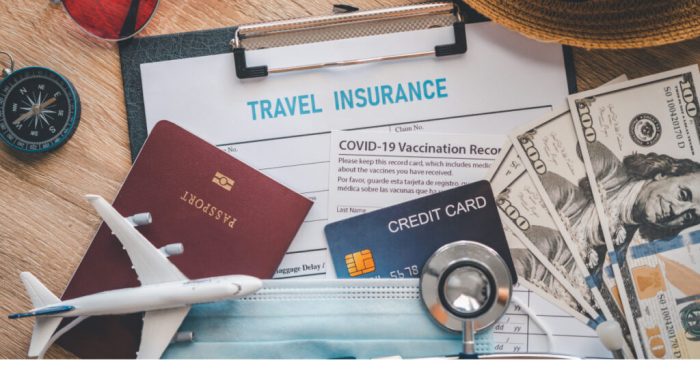
Business travel insurance is a specialized type of insurance designed to provide coverage for individuals who frequently travel for work. It is crucial for frequent flyers as it offers protection and support in case of unexpected events or emergencies during business trips.
Key Differences Between Regular Travel Insurance and Business Travel Insurance
Regular travel insurance typically covers personal vacations and leisure trips, while business travel insurance is tailored to the specific needs of business travelers. The key differences include:
- Coverage for business-related activities: Business travel insurance often includes coverage for work-related activities such as attending meetings, conferences, or trade shows.
- Higher coverage limits: Business travel insurance may offer higher coverage limits for business equipment, laptops, and other work-related items.
- Emergency business assistance: Business travel insurance may provide access to emergency assistance services for business-related emergencies.
Common Coverage Areas in Business Travel Insurance
Business travel insurance typically includes coverage for the following areas:
- Trip cancellation or interruption
- Emergency medical expenses
- Baggage loss or delay
- Travel delays
- Rental car coverage
Benefits of Business Travel Insurance
Business travel insurance offers numerous advantages for frequent flyers, providing them with a sense of security and peace of mind during their work-related trips. Let's delve into how business travel insurance can be a cost-effective solution compared to paying out of pocket for unforeseen events.
Financial Protection
- Business travel insurance offers financial protection against trip cancellations, flight delays, and lost baggage, ensuring that you are reimbursed for any incurred expenses.
- In the event of a medical emergency during your trip, business travel insurance can cover medical expenses, ensuring you receive the necessary care without worrying about the costs.
Peace of Mind
- Having business travel insurance means you can focus on your work commitments without stressing about potential travel mishaps, knowing that you have coverage in place.
- Knowing that you are protected by insurance can alleviate anxiety and allow you to concentrate on your business objectives, enhancing your overall productivity during your trips.
Cost-Effectiveness
- Compared to bearing the full financial burden of unexpected events such as flight cancellations or medical emergencies, business travel insurance offers a more cost-effective solution, potentially saving you significant expenses in the long run.
- By investing in business travel insurance, you can mitigate the financial risks associated with travel disruptions, ensuring that your business trips remain smooth and hassle-free.
Coverage Details
Business travel insurance provides a range of coverage options tailored to the specific needs of frequent flyers. Let's delve into the details of the coverage types, limits, and real-life scenarios where this insurance proves invaluable.
Types of Coverage
- Medical Emergencies: Business travel insurance typically covers medical expenses incurred due to illness or injury during a business trip. This includes hospital stays, doctor visits, medications, and emergency medical evacuation.
- Trip Cancellations: In case of unexpected circumstances leading to the cancellation of a business trip, such as illness, natural disasters, or flight disruptions, this coverage ensures reimbursement for non-refundable expenses like flights, accommodations, and conference fees.
- Lost Baggage: Business travel insurance offers coverage for lost, damaged, or stolen luggage during a trip. It reimburses the cost of essential items and clothing needed while waiting for the delayed baggage to be located and delivered.
Coverage Limits
- Medical Emergencies: The coverage limit for medical emergencies varies but typically ranges from $50,000 to $500,000, depending on the policy. It includes outpatient treatment, hospitalization, emergency dental treatment, and medical evacuation.
- Trip Cancellations: The coverage limit for trip cancellations can be up to the total cost of the trip, including flights, accommodations, and other pre-paid expenses. Some policies also provide coverage for additional expenses incurred due to trip interruptions.
- Lost Baggage: Business travel insurance usually covers baggage losses up to a certain amount, often ranging from $500 to $3,000 per trip. This coverage includes reimbursement for essential items purchased due to baggage delays or losses.
Real-Life Scenarios
Imagine your flight gets canceled due to a sudden snowstorm, and you miss an important business meeting. With business travel insurance, you can claim reimbursement for the non-refundable expenses incurred for the trip.
In another scenario, you fall ill during a business trip abroad and require emergency medical treatment. Business travel insurance covers your medical expenses, ensuring you receive the necessary care without worrying about exorbitant bills.
Choosing the Right Policy
When it comes to selecting a business travel insurance policy, there are several key factors to consider to ensure you have the coverage that meets your needs as a frequent flyer.
Compare Different Insurance Providers and Offerings
- Research and compare various insurance providers catering to frequent flyers.
- Look into the specific coverage options each provider offers, such as trip cancellation, medical expenses, and lost luggage.
- Consider the reputation and customer reviews of each insurance provider to gauge their reliability and customer service.
Importance of Reading the Fine Print
- Always read the fine print of the policy to understand the terms, conditions, and exclusions.
- Pay attention to any limitations or restrictions that may impact your coverage, such as pre-existing medical conditions or high-risk activities.
- Make sure you understand what is covered and what is not, to avoid any surprises in case of a claim.
Filing a Claim
When it comes to filing a claim with a business travel insurance provider, it is essential to follow the correct procedure to ensure a smooth and successful process. Here is a guide on how to navigate the process effectively:
Documentation Required
- Proof of travel: This includes your travel itinerary, boarding passes, and any relevant booking confirmations.
- Medical reports: If your claim is related to a medical emergency during your trip, you will need to provide medical reports and receipts for treatment.
- Police reports: In case of theft or loss of belongings, a police report is usually required to support your claim.
- Receipts and invoices: Keep all receipts and invoices for expenses incurred due to trip delays, cancellations, or interruptions.
Common Pitfalls to Avoid
- Delayed claim submission: Make sure to file your claim promptly after the incident to avoid any delays or complications.
- Incomplete documentation: Ensure that you provide all the necessary documentation to support your claim to avoid any issues with claim approval.
- Not understanding the policy: Familiarize yourself with the terms and conditions of your business travel insurance policy to know what is covered and what is not, preventing any misunderstandings during the claim process.
Closing Notes
In conclusion, Business Travel Insurance is a crucial aspect for frequent flyers, offering peace of mind and protection during work-related trips. This summary encapsulates the essential aspects discussed, highlighting the importance of being prepared with the right insurance coverage.
FAQ Section
What is the coverage limit for medical emergencies?
The coverage limit for medical emergencies typically varies depending on the policy, but it usually includes expenses for hospitalization, treatment, and evacuation. It's essential to check the specific details of your chosen policy.
How can I compare different insurance providers for business travel insurance?
You can compare insurance providers by looking at factors such as coverage options, premium costs, customer reviews, and ease of claims processing. It's recommended to research and obtain quotes from multiple providers before making a decision.
What are common pitfalls to avoid when filing a claim for business travel insurance?
Common pitfalls include not providing sufficient documentation, missing claim deadlines, and not understanding the policy exclusions. To avoid these pitfalls, ensure you have all necessary documents, adhere to deadlines, and fully comprehend what your policy covers.